Affordable luxury is the slipperiest phrase in the watch business. Taken literally it is a contradiction — luxury means exclusive, affordable means accessible — but a small group of brands genuinely deliver the parts of luxury that matter: sapphire crystals, honest movements, real heritage, and finishing a clear step above department-store fare. The skill is separating those brands from the ones that simply print the word on a fashion watch.
These are the nine brands that actually earn the label in 2026, ranked from a $150 automatic to the one stretch brand that marks the border of true high watchmaking. For each: the honest entry price, the signature strength, and the single best buy in the current catalog.
What Affordable Luxury Actually Means
A real affordable luxury watch clears four bars. The crystal is sapphire, not mineral glass. The movement is a known quantity — an in-house Japanese caliber or a Swiss ETA-family workhorse — with a service network behind it. The case and bracelet are finished like someone cared: brushing where brushing belongs, polish where polish belongs. And the brand has a history you can verify, not a backstory invented for a product page.
Price is the final test. Under $150 you are buying a good watch, not a luxury one. The honest affordable-luxury band runs $150 to $800 — Seiko, Citizen, Bulova and Tissot territory. Past $3,000 you have left affordable entirely and entered luxury proper, which is exactly where our ninth brand sits. Everything between is a negotiation between budget and how much of the real thing you want.
What to Look For
- Movement honesty — in-house Japanese or Swiss ETA-family calibers, not unbranded mystery movements
- Sapphire crystal — under $200 mineral glass is acceptable; above $400 it is not
- A real service network — batteries, gaskets and parts still available ten years from now
- Beware anchor pricing — an $895 MSRP permanently crossed out to $89 is marketing theater, not a discount
- Resale reality — most affordable luxury depreciates; buy to wear, not to invest
The 9 Affordable Luxury Watch Brands Worth Buying
1. Seiko — Best Overall Value (From $150)
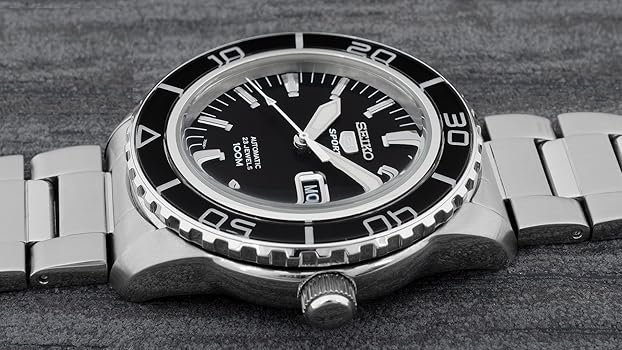
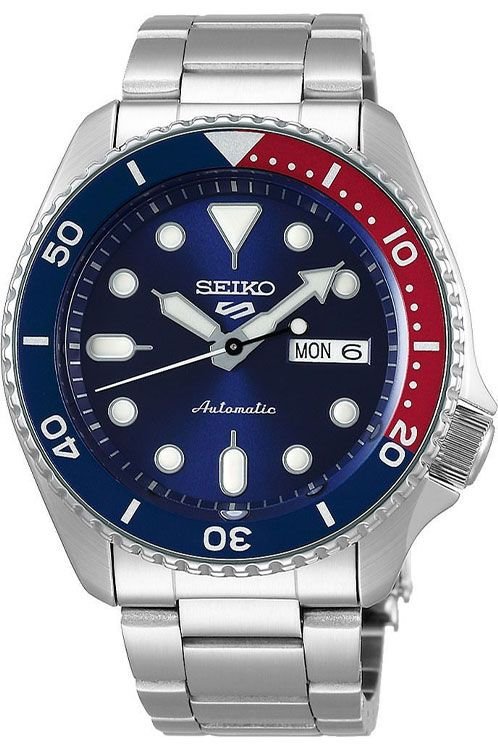
No brand owns this category like Seiko. The Seiko 5 Sports line ($250–350 street) delivers an in-house automatic movement, 100m water resistance and a display caseback — specifications Swiss brands charge triple for — while the Presage cocktail watches ($400–500) add dial work that embarrasses $2,000 rivals. Entry point: about $150 for a basic Seiko 5. Signature strength: everything is made in-house, from the hairspring to the lume. The one to buy: the Seiko 5 Sports GMT, the most watch per dollar in the industry. The only honest knock is quality-control roulette on the cheapest tier, so buy from a dealer with easy returns.
2. Timex — Best American Heritage Under $250
Timex is the gateway with genuine history — an American brand since 1854 that now mixes nostalgia design with honest pricing. The Q Timex reissues ($179–220) bottle 1970s cool better than brands charging five times more, and the Marlin automatic ($200–280) puts a proper hand-wound dress watch within reach of anyone. Entry point: under $60 for a Weekender, but the luxury-adjacent line starts at the Marlin. Signature strength: design per dollar — nobody makes retro this charming this cheap. Buy the Marlin if you wear suits, the Q if you do not. Just know the movements are honest but basic; here you are paying for the looks.
3. Citizen — Best Movement Technology (From $150)
Citizen's superpower is Eco-Drive: a quartz movement charged by any light source, good for a decade between services and accurate to seconds a month. The Tsuyosa automatic ($300–450) is the current star — an integrated-bracelet sports watch that channels six-figure design language for the price of a nice weekend away — while the Promaster divers ($300–500) are legitimate tools. Entry point: about $150 for an Eco-Drive field watch. Signature strength: technology that removes maintenance from your life. The one to buy: the Tsuyosa, the best sub-$500 integrated watch from any brand, full stop. Skip the cheapest mineral-glass models and the value argument becomes airtight.
4. Bulova — Best Design Heritage per Dollar
Bulova wears the most interesting history in the budget tier: it put the tuning-fork Accutron on the electronics frontier in 1960 and a chronograph on the Moon in 1971. The Lunar Pilot ($400–550 street) revives that Moon watch with a high-frequency quartz movement that sweeps like a mechanical — the most story per dollar in watches. Entry point: around $200 for a Classic automatic. Signature strength: heritage design plus the 262kHz Precisionist movements nobody else offers. Buy the Lunar Pilot if space history moves you, or the Sutton automatics for a dress watch with a real movement under $300. MSRPs run high, so shop street prices.
5. Invicta — Most Watch per Dollar (With a Caveat)
Invicta is the category's villain-turned-value-play. Ignore the theatrical MSRPs — an $895 tag permanently reduced to $89 is anchor pricing, not generosity — and the actual street product is remarkable: the Pro Diver 1953 ($80–110 street) is a 200m automatic dive watch with a Seiko-built NH35 movement and a solid-link bracelet for less than a nice belt. Entry point: under $60 on sale. Signature strength: maximum hardware per dollar. The one to buy: the 1953, the brand's own honest take on its most famous design. The caveat is quality control and taste — stick to the classic models and skip the 52mm gold-plated monuments.
6. Skagen — Best Minimalist Styling
Skagen sells Danish minimalism at import prices: slim cases, clean dials, mesh bracelets, and nothing you do not need. The Signatur and Ancher lines ($120–200) disappear under a cuff better than anything else at the price, which is exactly what minimalist design is for. Entry point: about $100. Signature strength: restraint — the watches read expensive because they refuse to shout. Honest disclosure: the movements are basic quartz and the brand sits inside the Fossil Group, so you are buying design rather than horology. As a dress watch for someone who wears one twice a month, that is a perfectly rational trade.
7. Fossil — Best First Step Up From Fashion
Fossil is the world's biggest fashion-watch machine — it builds for half the mall brands you know — and its own line is the best of that world. The Heritage automatics ($250–350) pair vintage-inspired design with real mechanical movements, while the core quartz range ($100–200) offers reliable, attractive daily wear with a huge strap ecosystem. Entry point: about $100. Signature strength: accessible style with department-store convenience. Buy a Heritage automatic if you want one foot in real watchmaking; otherwise treat Fossil as the safe, serviceable fashion choice it honestly is. It will not appreciate, and it does not pretend to.
8. Tissot — Best True Swiss Entry Point
Tissot is where Swiss Made becomes attainable. A Swatch Group brand with 170 years behind it, it offers Swiss mechanical movements with group-scale service and parts — the Le Locle Powermatic 80 ($600–700 street) packs an 80-hour automatic into a case that belongs at a wedding, and the PRX ($375 quartz, $700 Powermatic) is the integrated-bracelet phenomenon of the decade. Entry point: about $300 for an Everytime quartz. Signature strength: real Swiss watchmaking at Japanese-brand prices. The one to buy: the PRX Powermatic 80, the best first Swiss watch sold today. This is the last stop before prices lose the word affordable.
9. Omega — The Stretch Tier
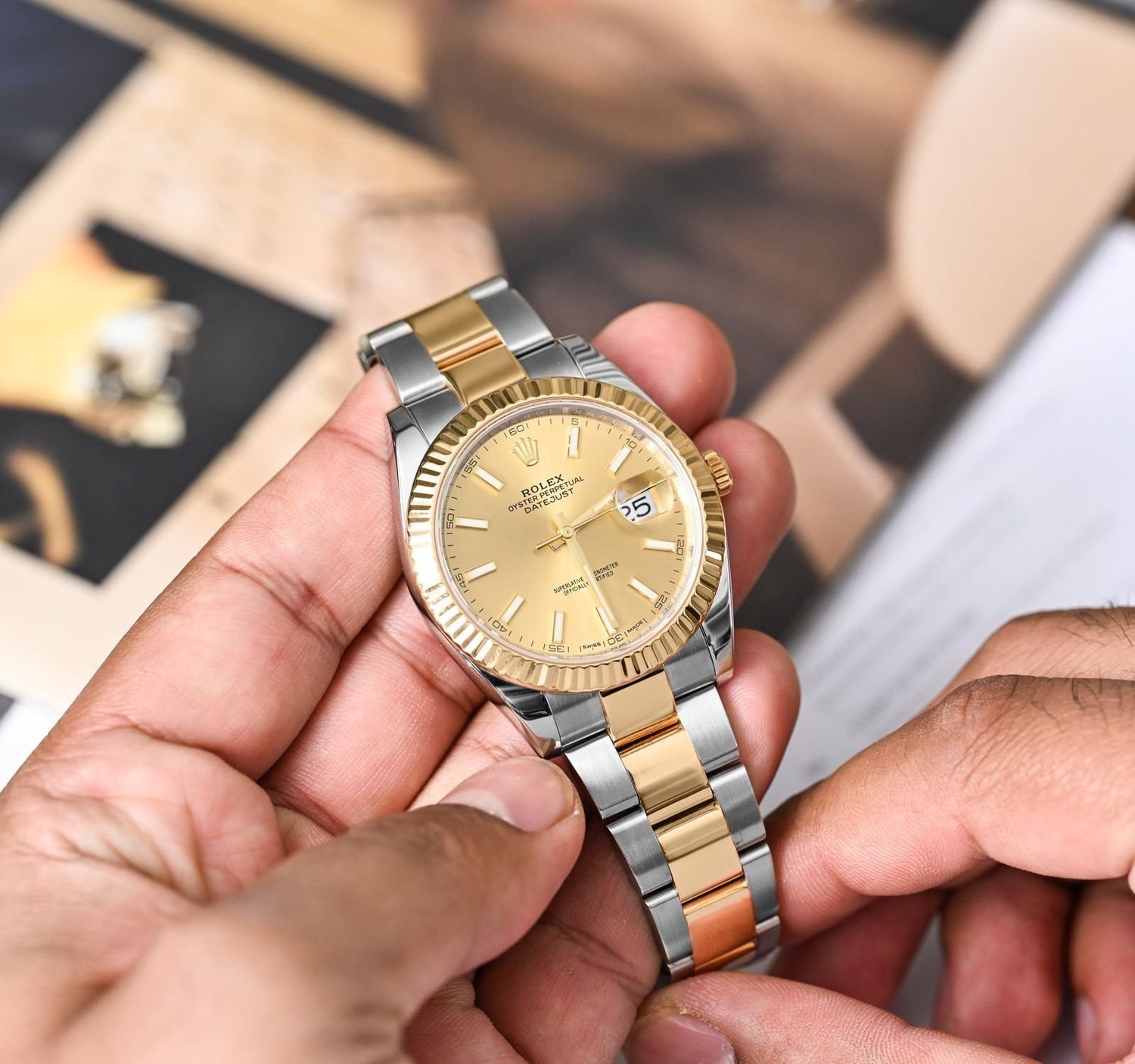
Omega is the stretch pick — the line where affordable luxury ends and luxury begins. New, a De Ville Prestige starts around $3,000 and an Aqua Terra near $6,000; pre-owned, a clean Seamaster Professional from the 1990s or 2000s runs $2,000–3,000 with genuine brand equity and a real resale floor. Why include it at all: because the jump from Tissot to Omega is the jump from very good to heirloom — Master Chronometer movements, value that holds, and a watch you service for life rather than replace. If the budget stretches exactly once, this is the direction to stretch it. If it does not, the eight brands above lose nothing by comparison.
How They Compare
Think of the nine as a ladder. Timex, Skagen and Fossil cover $100–250 — style first, mechanics second, all honest about it. Invicta, Seiko and Citizen own $80–500 on pure hardware: automatic movements and sapphire at prices Swiss brands will not touch. Bulova and Tissot add real heritage and Swiss pedigree from $200 to $800. And Omega waits at the top as the one-time stretch. Pick the rung where the budget stops hurting, and buy the best watch on it.
FAQ
What price actually counts as affordable luxury?
The honest band is $150 to $800. Below $150 you are in quality-budget territory — fine watches, but without the sapphire crystals, refined movements and heritage that justify the word luxury. Above $800 you cross into entry-luxury proper, where Tissot hands off to Longines and Omega. The sweet spot for maximum substance per dollar sits at $250–450, where Seiko, Citizen and Tissot all put their best engineering.
Which affordable luxury brand holds its value best?
None of them appreciate — that is not what this tier is for. The gentlest depreciation comes from Omega, which has a genuine resale floor, then Tissot and Seiko's popular models, which typically resell at 50–70% of street price. Fashion-adjacent brands like Fossil and Skagen drop hardest. Buy any of these to wear and enjoy; if future value matters, stretch to the Omega or buy pre-owned and let the first owner absorb the drop.
Quartz or automatic at this price?
Both are legitimate. Citizen's Eco-Drive quartz is arguably the smarter daily choice — a decade without a battery change, always on time. An automatic from Seiko, Tissot or Invicta's NH35 models gives you the mechanical experience and a movement that can be serviced for decades. If the watch is jewelry you wear while checking your phone anyway, buy quartz and spend the difference on the better bracelet.
Is a fashion-brand watch ever worth it?
Sometimes — a Skagen or Fossil you love at $150 beats a serious watch you never wear. The mistake is paying luxury prices for fashion construction: $400 for a mineral-glass quartz watch from a clothing label is the worst trade in watches. If a fashion brand's design has your heart, buy it at the fashion price and enjoy it for exactly what it is.
The Verdict
If you buy one watch from this list, make it the Seiko 5 Sports or the Citizen Tsuyosa — either is more watch than most people will ever need, at a price that requires no justification. If Swiss heritage matters, the Tissot PRX Powermatic 80 is the best first Swiss watch sold today. And when the day comes for the one big leap, the pre-owned Omega Seamaster is the smartest stretch in the business. Affordable luxury done right is not about spending less — it is about knowing exactly what each dollar buys.