Disclosure: The Watch Goat is reader-supported. When you buy through links on this page, we may earn an affiliate commission from Amazon at no extra cost to you. Prices and availability change — check the listing for the current price.
Every serious watch collection started with one affordable watch and a question: what else is out there? The trap for beginners is buying fast — a drawer of fashion watches that all do the same job and teach you nothing. The smarter path is buying watches that each teach a different lesson: one automatic, one tool watch, one dress piece, one piece of history. These ten do exactly that, all respected by lifelong collectors, none requiring more than about $700.
How to Use This List
Do not buy all ten. Read what each watch teaches, pick the two or three that match your wrist and your life, and wear them long enough to learn what you actually value — size, movement type, water resistance, heritage. That self-knowledge is what separates a collection from a pile. Prices are honest 2026 street prices, not inflated MSRP.
1. Seiko 5 SNK809 — Your First Automatic (about $100)
The default first mechanical watch for two decades running. Inside beats Seiko's in-house 7S26 automatic — no battery, wound by your wrist — in a compact 37mm field-watch case with a day-date display and a see-through caseback so you can watch the movement work. It teaches you what 'automatic' actually means, how a mechanical watch behaves, and whether 37mm is your size — for the price of a nice dinner.
2. Casio G-Shock DW5600E-1V — The Indestructible Icon (about $50)
The square G-Shock has been in continuous production since 1987, and it is still the toughest watch money can buy at any price: 200 meters of water resistance, shock resistance that survives drops that would kill a mechanical watch, a backlight, a stopwatch, and a battery that lasts years. Every collection needs one watch you never have to think about. This is it.
3. Timex Weekender — The $35 Style Lesson
The Weekender's genius is the slip-through NATO strap: in thirty seconds, no tools, the watch goes from olive nylon to striped fabric to leather. It teaches the single cheapest lesson in the hobby — how dramatically a strap changes a watch — plus you get Timex's Indiglo backlight, still the best lume-for-money feature anywhere.
4. Orient Bambino — The Dress Watch Gateway (about $150)
Every collector eventually needs a dress watch, and nothing under $300 competes with the Bambino: a domed crystal over a clean, vintage-leaning dial, powered by Orient's in-house F6724 automatic with hand-winding and hacking seconds — features the Seiko 5 lacks. It teaches proportion (dress watches wear small and thin) and why the industry respects Orient's vertical manufacturing.
5. Tissot PRX — Your First Swiss Watch (about $400–$700)
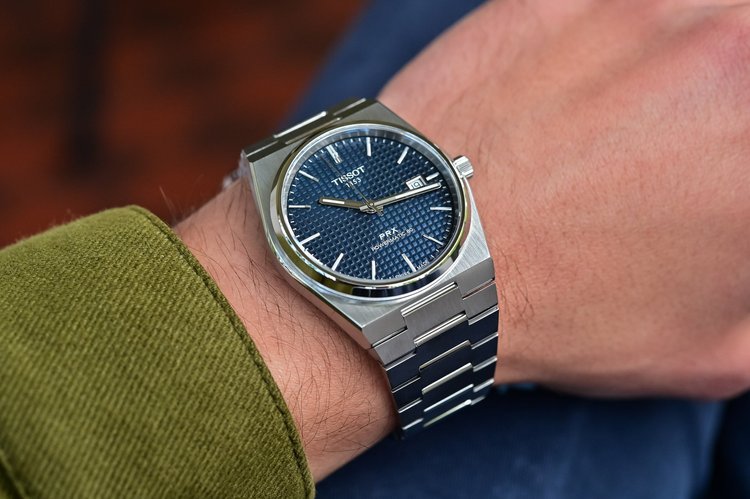
The PRX is the modern entry point to Swiss watchmaking: an integrated-bracelet design with 1978 heritage, a sapphire crystal, and — in the Powermatic 80 version — an automatic movement with an 80-hour power reserve, spec that embarrassed watches triple the price. It teaches what 'Swiss Made' buys in 2026 and whether the integrated-bracelet look is for you.
6. Hamilton Khaki Field Mechanical — Real Military Heritage (about $550)
Hamilton supplied field watches to the U.S. military for decades, and the Khaki Field Mechanical is that issued watch, essentially unchanged: 38mm, hand-wound H-50 movement with 80 hours of reserve, drilled lugs, and total legibility. Hand-winding every morning builds a relationship with a watch that no automatic can. This is the collector's rite of passage.
7. Citizen Promaster Diver — The Tool Watch Standard (about $300)
An ISO 6425-certified 200-meter dive watch powered by Eco-Drive — Citizen's light-powered movement that never needs a battery change. The Promaster teaches what a real dive rating means (versus 'water resistant' marketing), why the unidirectional bezel exists, and why solar quartz is the most practical technology in watches.
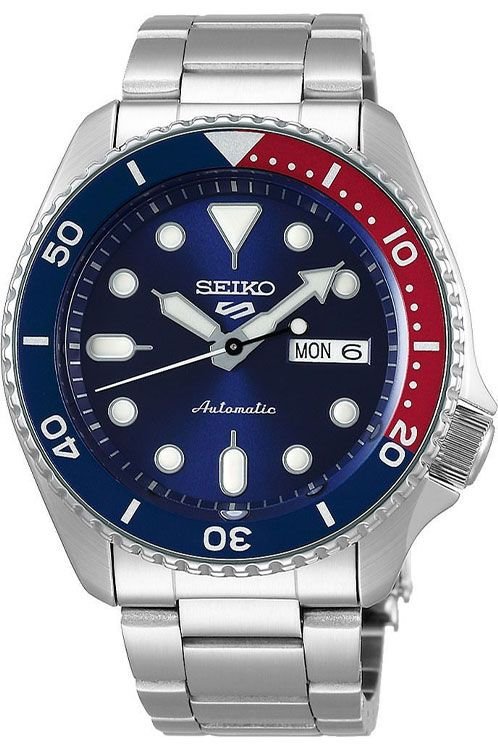
8. Seiko 5 Sports SRPD55 — The Modern Everyday Automatic (about $250)
The descendant of the SNK809, upgraded where it counts: the 4R36 movement adds hacking and hand-winding, the case gets 100 meters of water resistance, and the styling runs from sober to wild across dozens of dials. If the SNK809 is the classroom, the SRPD is the graduation — the automatic you can actually wear everywhere, including the pool.
9. Swatch Sistem51 — Swiss Mechanical for the Price of a Fashion Watch (about $150)
Fifty-one components, one central screw, a 90-hour power reserve, assembled entirely by machine in Switzerland — the Sistem51 is a manufacturing marvel and the cheapest Swiss-made mechanical watch ever sold. It cannot be serviced traditionally (the movement is sealed), which is itself a lesson: disposability versus heirloom, the central tension in modern watchmaking.
10. Bulova Lunar Pilot — The Moonwatch You Can Actually Buy (about $450–$600)
On Apollo 15, commander Dave Scott wore his personal Bulova chronograph on the lunar surface — the only privately owned watch ever worn on the moon. The Lunar Pilot reissues that watch with a 262kHz high-performance quartz movement eight times more accurate than standard quartz. Real space history without the Omega Speedmaster's $7,000 ticket.
The Three Rules for a First Collection
- Buy the watch, not the hype: a $100 Seiko worn daily teaches more than a $5,000 grail bought on credit and babied. Scarcity theater is not value.
- One watch per role: field, dive, dress, beater. Four watches that each do something different beat ten that all do the same thing.
- Wear everything you buy: a watch you will not wear is telling you something. Sell it and buy the one you reach for.
Frequently Asked Questions
How much should a beginner spend on a first watch?
Between $50 and $300. That range buys a genuine automatic (Seiko 5), a certified dive watch (Citizen Promaster) or an icon (G-Shock) — every lesson the hobby has to teach, with zero financial regret if your taste changes. Spend more only after you can articulate what you are paying for.
Automatic or quartz for a first collection?
Both, deliberately. One automatic (Seiko 5, Bambino) teaches you mechanical ownership — setting, wearing, winding. One quartz piece (G-Shock, Weekender) gives you a grab-and-go reference point. Knowing which you reach for tells you what kind of collector you are.
Should beginners buy vintage watches?
Not yet. Vintage is the hobby's graduate school: frankenwatches, relumed dials, dead movements and no warranties. Learn on new watches with return windows first; go vintage when you can evaluate a seller's claims critically — usually a year or two in.
The Bottom Line
A great first collection is not ten watches — it is two or three chosen to teach you something, worn hard, and understood. Start with the Seiko 5 or the G-Shock, add the Bambino or the Promaster when you know your taste, and let the rest of this list wait until you have earned the opinions. The hobby rewards patience faster than money.