Disclosure: The Watch Goat is reader-supported. When you buy through links on this page, we may earn an affiliate commission from Amazon at no extra cost to you. Prices and availability change — check the listing for the current price.
Why does a steel Rolex Submariner cost five figures when a perfectly capable steel dive watch costs $500? It is the most common question in watches, and the honest answer is not 'marketing' — at least not only marketing. Rolex does specific, verifiable things that almost no other brand does: it casts its own gold, builds every movement in-house, tests each finished watch beyond chronometer standards, and deliberately makes fewer watches than the market wants. Here is what each dollar of a Rolex actually buys in 2026.
The Short Answer
Six things drive the price: premium materials made in-house, movements designed and torture-tested by Rolex itself, hand assembly at Swiss wages, a supply kept intentionally below demand, a resale floor other brands do not have, and a century of brand equity that made the crown a global status symbol. None of these alone justifies the price — together, they do.
1. Materials: Oystersteel, an In-House Gold Foundry and Cerachrom
Rolex is one of the only watchmakers on earth that runs its own foundry. It does not buy gold cases from suppliers — it melts and casts its own 18k yellow, white and Everose gold in Geneva, controlling the alloy chemistry itself. That kind of vertical integration costs a fortune to build and run, and it is priced into every watch.
- Oystersteel: Rolex uses 904L-family steel rather than the 316L almost every other brand uses. It is more corrosion-resistant and takes a higher polish — and it is significantly harder and more expensive to machine.
- Solid 18k gold and 950 platinum: gold Rolexes are solid precious metal, never plated. A gold Day-Date carries roughly 75–100 grams of pure gold before a single hour of labor is counted.
- Cerachrom bezels: the proprietary ceramic insert is virtually scratch-proof and UV-stable, with numerals coated in platinum or gold. It is a slow, costly process that cheaper brands simply skip.
- Sapphire crystals: every dial window is scratch-resistant synthetic sapphire — a component budget watches swap for mineral glass to save a few dollars.
2. Movements Built and Torture-Tested In-House
Every caliber in a modern Rolex is designed, manufactured, assembled and tested by Rolex in Switzerland — the Perpetual self-winding rotor, the paramagnetic Parachrom hairspring, the high-efficiency Chronergy escapement. In-house movement development is the single most expensive thing a watch company can do, which is why most brands buy movements from ETA, Sellita or Miyota instead.
Then comes the testing. Each movement is first certified by COSC, the Swiss chronometer institute. After casing, Rolex tests the finished watch again to its own Superlative Chronometer standard of −2/+2 seconds per day — roughly four times tighter than the COSC tolerance — plus water-resistance, power-reserve and self-winding tests on every single watch, not a sample. The green seal on the hangtag carries a five-year international guarantee.
3. Hand Assembly at Swiss Wages
Robots handle parts logistics in Rolex's factories, but every movement is assembled by hand, every dial and handset applied by a technician, every bracelet finished and inspected by people in Geneva, Bienne and Plan-les-Ouates. Swiss watchmaking wages are among the highest in the world, and a Rolex passes through hundreds of skilled hands between raw metal and boutique shelf.
4. Deliberately Tight Supply and the Waitlist Economy
Rolex makes roughly 1.2 million watches a year and flatly refuses to chase demand. Authorized dealers receive allocations, not orders, and waitlists for steel sports models — Submariner, GMT-Master II, Daytona — stretch for years at most boutiques. Scarcity is not an accident; it is policy, and policy supports price.
The knock-on effect is visible on any marketplace: pre-owned prices for hyped references routinely sit above retail. A product that can be resold tomorrow for close to — or more than — its sticker price can command a higher sticker price. Simple as that.
5. Resale Value: the Price Floor Other Brands Do Not Have
Most luxury goods lose 40–60% of their value the moment they leave the store. Many Rolex references hold 80–100% of retail on the secondary market, and icons like the Daytona have traded well above it. That changes what the retail price means: buyers are not spending $10,000 so much as parking it in a wearable asset. Rolex knows this, and prices accordingly.
6. A Century of Brand Equity (and the Marketing Bill)
The Oyster case crossed the English Channel in 1926. A Rolex went to the summit of Everest in 1953 and to the bottom of the Mariana Trench in 1960. Today the brand backs Wimbledon, Formula 1, the majors in golf and the Oscars. A century of that association costs enormous money to maintain — and it works: Rolex is the one watch brand a non-watch person anywhere on earth can name.
What a Rolex Actually Costs in 2026
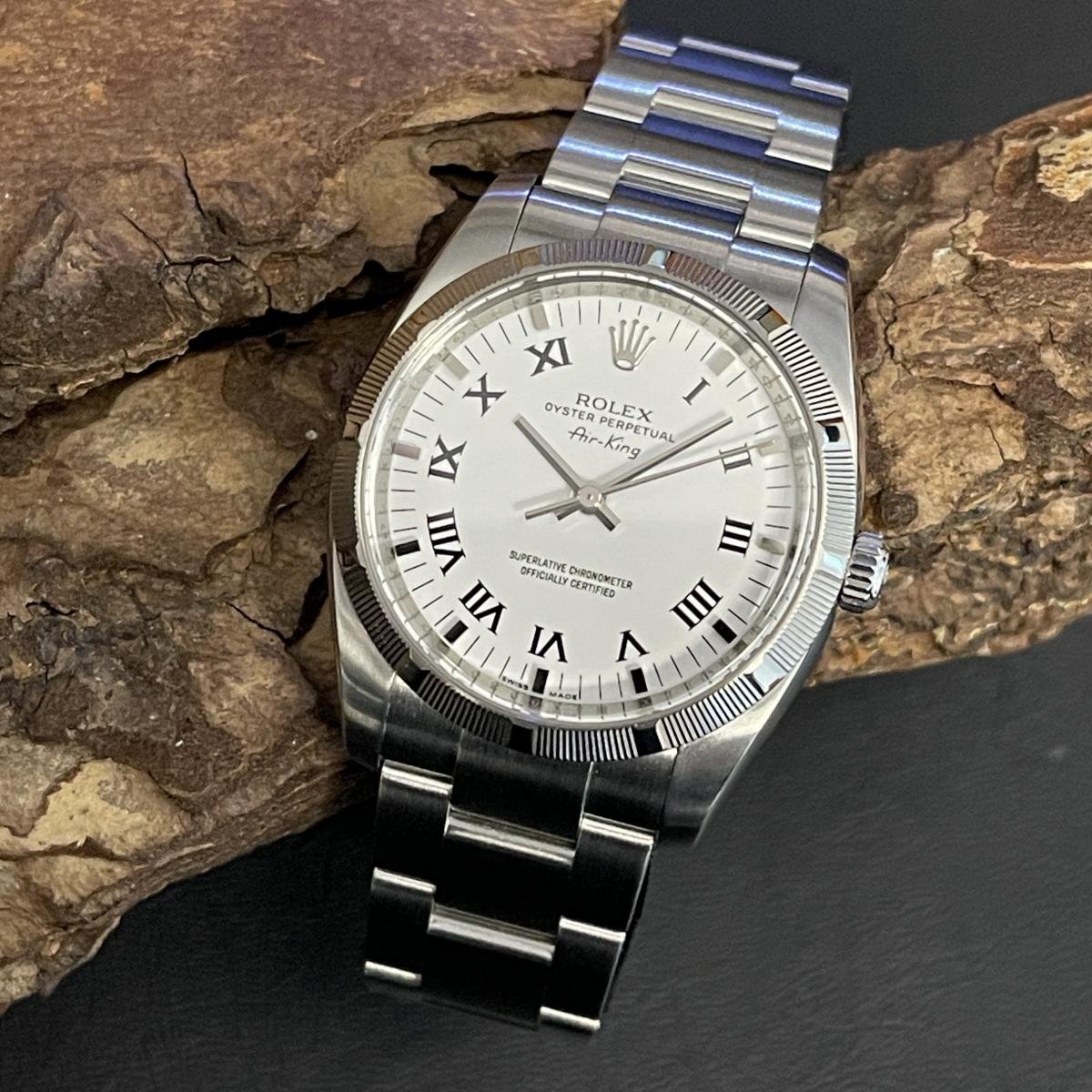
- Oyster Perpetual 36: about $6,100 retail — the genuine entry point to the brand.
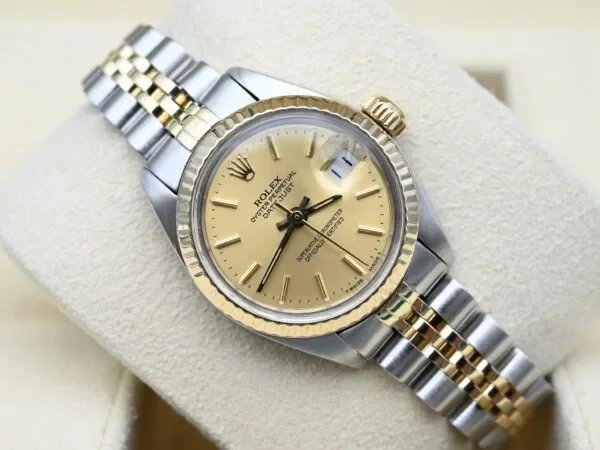
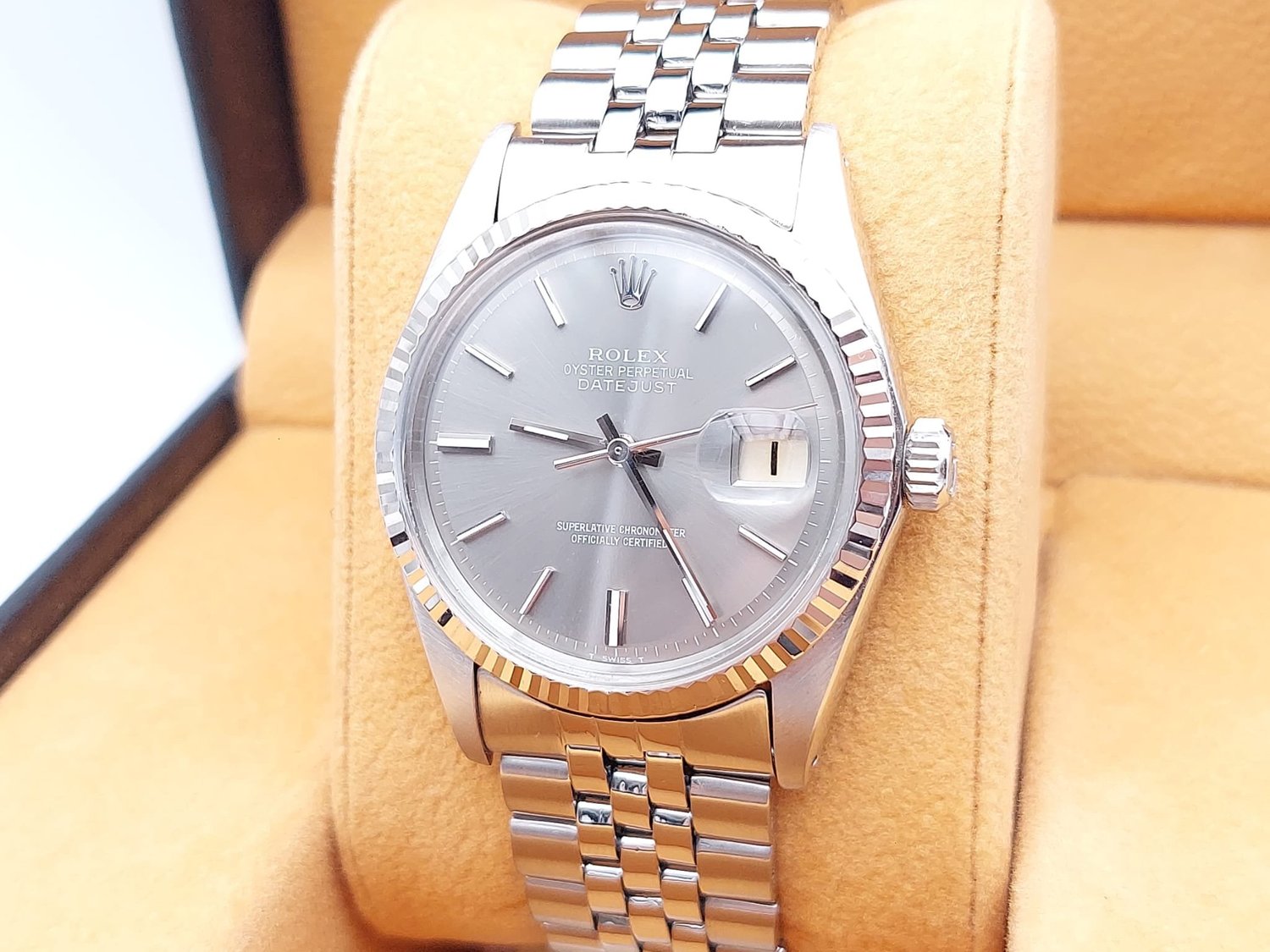
- Datejust 36/41: roughly $7,900–$9,500 in Oystersteel, more with a fluted bezel or Jubilee bracelet.
- Submariner Date: $10,500 at retail — and historically above that on the grey market when supply tightens.
- Cosmograph Daytona: $16,000+ retail and routinely far more pre-owned — the extreme case of demand outrunning supply.
Honest Alternatives: Most of the Experience for a Tenth of the Money
If what you really want is a beautifully made automatic watch with real heritage — rather than the crown on the dial — these three deliver the substance behind the Rolex mythos at a small fraction of the price.
Seiko Presage Cocktail Time (about $400–$500): an in-house 4R35 automatic, hand-applied indices and one of the best executed dials under $1,000 at any price. Proof that Japanese craftsmanship gets you most of the way there.
Tissot PRX Powermatic 80 (about $700): Swiss Made, sapphire crystal, an 80-hour power reserve and the integrated-bracelet look that reads far more expensive than it is — the strongest Swiss value proposition on the market.
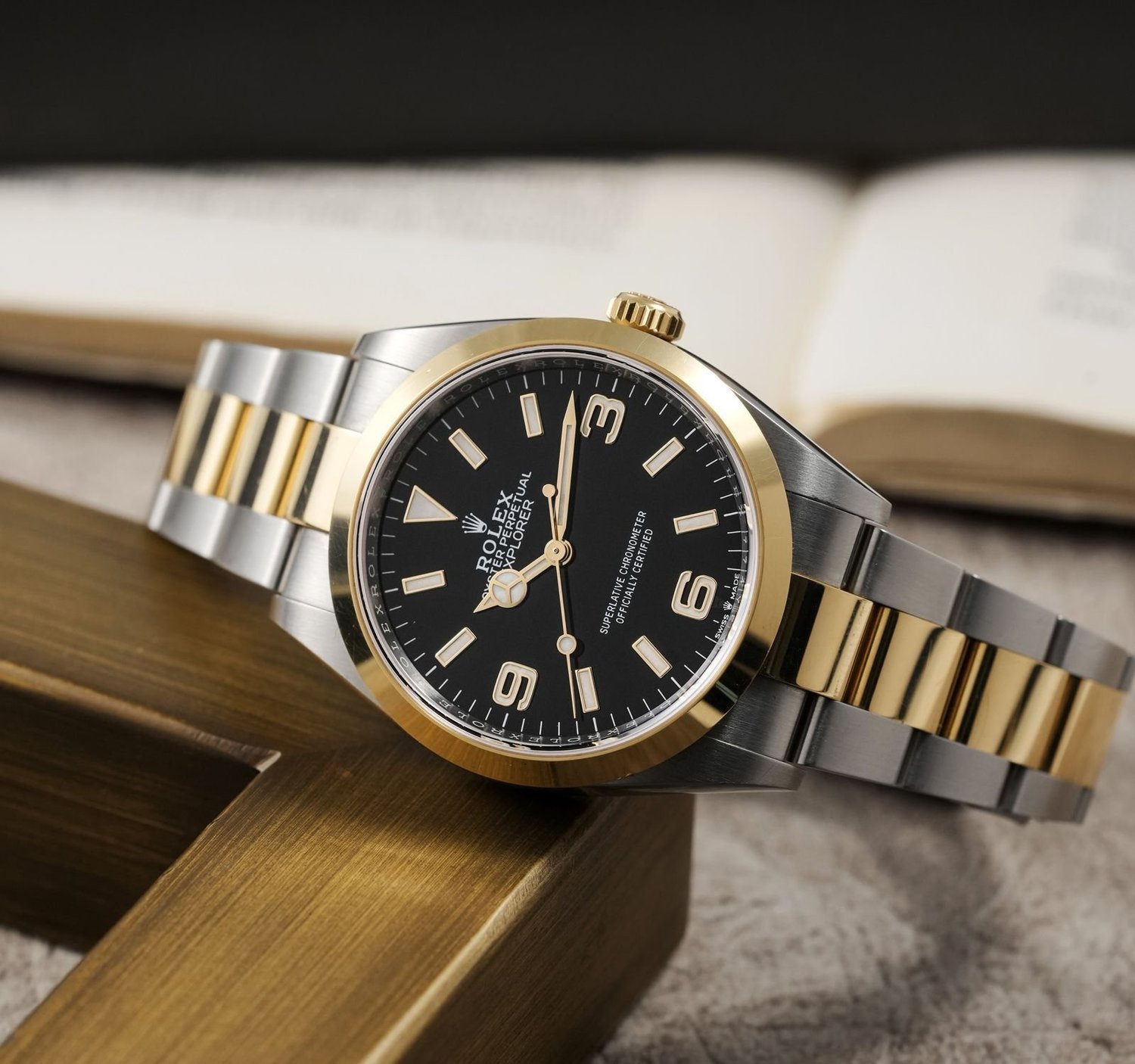
Hamilton Khaki Field Mechanical (about $550): a hand-wound Swiss field watch with genuine military heritage going back to the 1940s — the enthusiast's answer to the Rolex Explorer at one-tenth the price.
Frequently Asked Questions
Is a Rolex actually worth the money?
As engineering: a Rolex is exceptionally well made, but not magically better than a $2,000 watch from Seiko's upper lines. What the extra money buys is materials, testing, durability over decades, and liquidity — the ability to sell it quickly for close to what you paid. If you value those things, yes. If you only want to know the time, honestly, no.
Why are used Rolexes sometimes more expensive than new ones?
Waitlists. When a boutique cannot sell you a Submariner for two years, impatient buyers pay a premium on the secondary market for immediate delivery. The premium inflates and deflates with the economy — it cooled noticeably from the 2021–22 peak — but for hyped references it has never fully disappeared.
Will Rolex prices ever come down?
Retail prices have risen for decades, typically 3–7% a year, and Rolex has never cut a list price. Grey-market premiums move with the economy, but the floor under the brand — controlled supply, global demand, resale value — has held for half a century. Waiting for a cheaper new Rolex has historically been a losing bet.
The Bottom Line
Rolex is expensive because it is engineered to be: precious materials cast in-house, movements tested beyond chronometer standards, hand assembly at Swiss wages, supply kept deliberately below demand, and a hundred years of brand-building behind the crown. Whether that is worth it depends on what you are buying — a tool for telling time, or an asset you can wear. If it is the former, the alternatives above will serve you beautifully. If it is the latter, no other watch does the job quite like a Rolex.