Disclosure: The Watch Goat is reader-supported. When you buy through links on our site, we may earn an affiliate commission at no extra cost to you.
How Much Is a Fake Rolex Worth? The Honest 2026 Answer
Somewhere right now, a buyer is staring at a 'Rolex' they paid $200 for on a holiday market stall, wondering what it's actually worth — and a seller on a classifieds site is hoping a stranger can't tell the difference. The honest answer is uncomfortable for both of them: a fake Rolex is worth its materials and nothing more. It has no brand value, no collector market, no service network, and no legal resale channel as a luxury watch. This guide breaks down what fake Rolexes actually sell for by tier, why the number is always lower than people hope, the legal reality of buying and selling counterfeits, and what to buy instead if it's the Rolex look you're after.
How Much Is a Fake Rolex Worth? The Short Answer
A fake Rolex is worth between about $20 and $400 as an object — and effectively zero as a 'Rolex.' Counterfeits are priced by their creator's production cost, not by the prestige they imitate, and the secondhand market for them barely exists because reselling counterfeit goods is illegal in most countries, full stop.
✔ Canal-street quartz fakes: $20–$50 of pot metal, mineral glass and a battery movement — worth their weight in scrap, which is nothing.
✔ Mid-grade automatic replicas: $100–$300 new, with generic Chinese automatic movements inside. Secondhand value: a fraction of that, from a buyer willing to ignore the law.
✔ 'Super clones': $400–$800+ new with decorated clone movements and 904L-style steel. They depreciate to near zero the moment money changes hands.
📌 Key Takeaway: Whatever tier a fake sits in, its value collapses the instant it's bought. A genuine $5,000 Rolex is an asset; a $500 fake is a liability with a crown logo glued on.
Why a Fake Rolex Has No Real Resale Value
Start with the obvious: a counterfeit cannot legally be sold as a Rolex, because the only thing that makes a Rolex valuable — the trademark, the manufacture, the guarantee behind the name — is precisely what the fake doesn't have. Strip the logo off and you're left with an unbranded watch made from the cheapest components its builder could source. That is the entire intrinsic value: a few dollars of steel, glass and a mass-produced movement.
Then there's the ownership reality. No watchmaker will service a counterfeit — Rolex ADs will refuse it on sight, and most independent watchmakers won't touch one either, because the movements are disposable and parts don't exist. When a fake breaks, it's dead. A genuine Rolex can be serviced indefinitely, which is a core reason it holds value for decades. The fake's value curve goes in one direction only.
Finally, no legitimate buyer will take it. Pawn shops reject known fakes on the spot (accepting them creates legal exposure). eBay and every major marketplace ban counterfeit listings and will remove them and suspend the seller. Watch forums and collector groups ban members who try to move replicas. The only 'market' is finding another person willing to buy an illegal product — and that person, by definition, is not paying a premium.
The Three Tiers of Fake Rolex — and What Each One Is 'Worth'
Tier 1: The $20–$50 Street Special
The tourist-market classic: feather-light case, ticking quartz movement (a real Rolex seconds hand sweeps), a 'cyclops' that barely magnifies, and spelling that's right only if you don't look twice. Production cost is a few dollars; street price is whatever a tourist can be talked into. Honest worth: about $10 as a novelty, zero as a watch. These are the fakes that turn wrists green by summer's end.
Tier 2: The $100–$300 Automatic Replica
A step up: a generic Chinese automatic movement (often a DG2813 or similar) gives a passable sweep, the case is actual stainless steel, and the dial print is sharper. Sold on replica sites and messaging apps as 'AAA quality.' New, they cost $100–$300. Used, they're worth perhaps $30–$80 to a buyer who knows exactly what they're getting — and most sellers won't admit what they're selling, which is where the fraud begins.
Tier 3: The 'Super Clone'
The top of the counterfeit food chain: $400–$800+ for 904L-marked steel, ceramic bezels, correct-weight cases and clone movements that mimic Rolex calibers, sometimes with decorated rotors and correct engravings. These are built to fool enthusiasts and even lazy professionals. They are also still worth zero as an asset: unserviceable, uninsurable, illegal to sell, and toxic to your reputation if you're caught passing one off. The more convincing the fake, the worse the legal and ethical picture for everyone involved.
Is It Illegal to Buy or Sell a Fake Rolex?
Laws vary by country, but the broad pattern is consistent: selling counterfeit goods is criminal trademark infringement virtually everywhere — in the US it can carry serious fines and prison time under the Trademark Counterfeiting Act, and 'I didn't know' is not a defense prosecutors accept from repeat sellers. Buying for personal use occupies a gray zone in some jurisdictions and is outright illegal in others (France and Italy famously fine tourists for purchasing counterfeits). Either way, customs agencies seize fake watches at the border, and you lose the item and the money.
Platforms enforce the same line: eBay, Amazon, Chrono24 and every reputable marketplace prohibit counterfeits outright. If you list a fake — even honestly described as a replica — the listing comes down and your account is at risk. There is no compliant way to turn a fake Rolex back into cash at anywhere near what you paid.
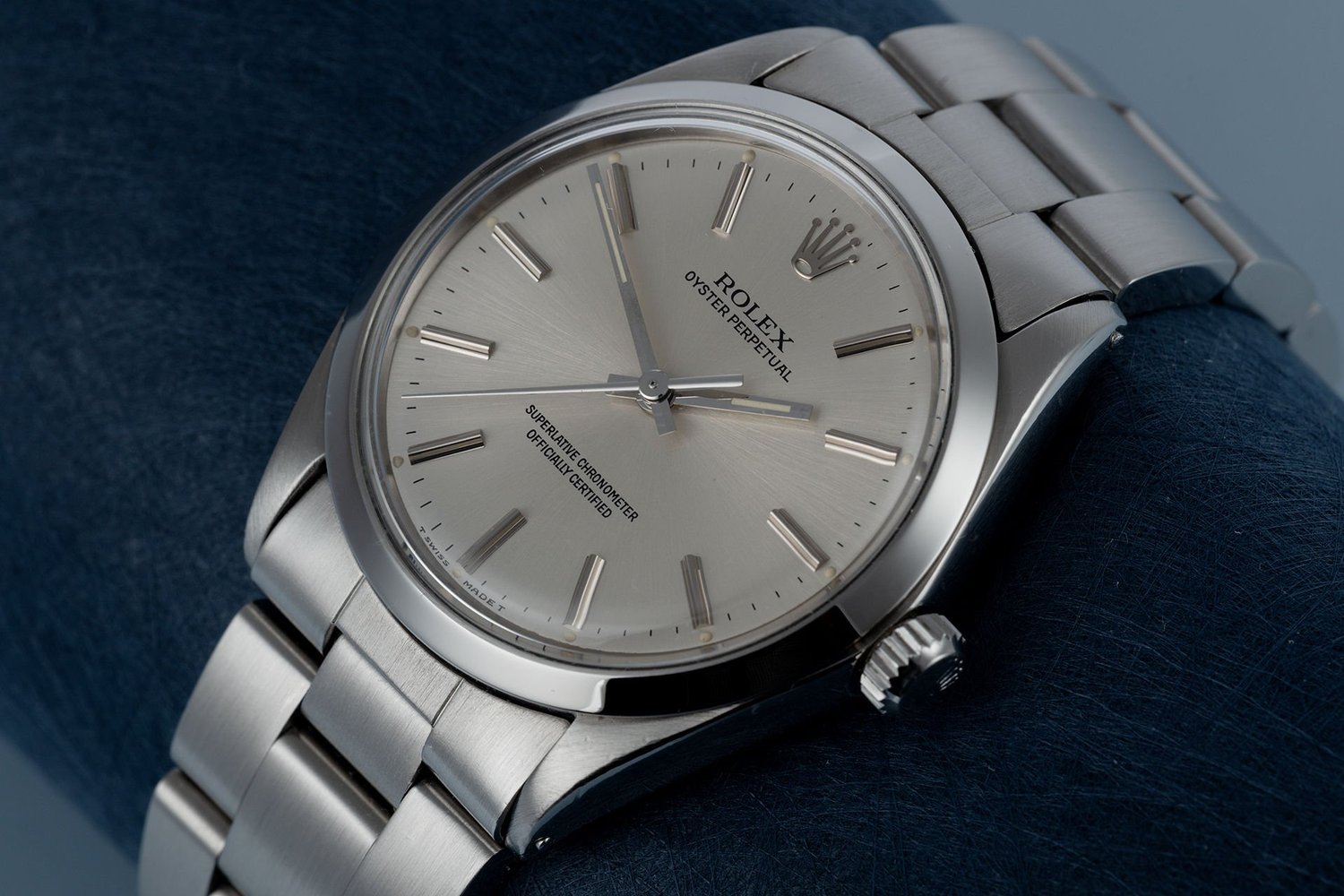
How to Tell If a Rolex Is Fake: The 60-Second Checks
- Weight: a genuine Rolex is dense — solid steel or gold, engineered to tight tolerances. Fakes (super clones excepted) feel noticeably light and slightly 'hollow' on the bracelet.
- The seconds hand: a real Rolex automatic sweeps at 28,800 beats per hour — a smooth glide, not a one-second tick. A ticking seconds hand is an instant giveaway of a quartz fake.
- The Cyclops: Rolex's date magnifier enlarges 2.5× and fills its window. Fakes use weak lenses — often 1.5× — so the date looks small and flat.
- The rehaut: on modern models, 'ROLEX' is laser-engraved around the inner bezel ring, perfectly aligned with the minute markers. Fakes get the spacing, depth or alignment wrong.
- Engravings and serials: genuine serial and reference numbers are finely engraved (or laser-etched) between the lugs; fakes use shallow acid etching, sandy-looking fonts, or serial numbers shared across thousands of replicas.
- The price test: a 'new Submariner' for $800 is not a bargain. Nobody sells a $10,000+ asset for a tenth of its value. Price alone settles most cases before you ever look at the watch.
If a watch passes all six and you still have doubts, stop guessing: a professional authentication — a watchmaker opening the caseback, or an expert service like eBay's Authenticity Guarantee — settles it definitively. For the full inspection routine, see our step-by-step fake-spotting guide.
Bought a Fake? What to Do Now
If you bought through a marketplace or with a credit card, act fast: open a dispute, file a chargeback, or use the platform's buyer protection, and report the seller. Document the listing and any claims made. If you bought from a physical seller who represented the watch as genuine, that's fraud — report it to the police and, in the US, you can report counterfeit sales to the National IPR Center. If you bought it knowingly as a replica, your realistic options are to keep it as a curiosity or dispose of it.
What not to do: don't resell it as genuine — that converts you from victim into counterfeiter, with criminal exposure to match. Don't even gift it while letting the recipient believe it's real. And don't 'trade up' with it at a pawn shop or dealer; presenting a fake as real to a professional buyer is attempted fraud, and it is remembered.
What to Buy Instead: Real Watches at Fake-Rolex Prices
Here's the part the replica sellers hope you never do the math on: the price of a super clone — $400 to $800 — buys a genuinely excellent watch from a brand with real heritage, a real warranty and real resale value. Even the price of a $150 mid-grade replica buys an icon of budget watchmaking. The Rolex look — oyster case, Mercedes hands, dive bezel — is one of the most honored design languages in the industry, and honest brands build superb watches in it. These are the picks we recommend instead:
Our Favorite Honest Alternatives on Amazon
Casio Duro MDV106 (~$50–$70)
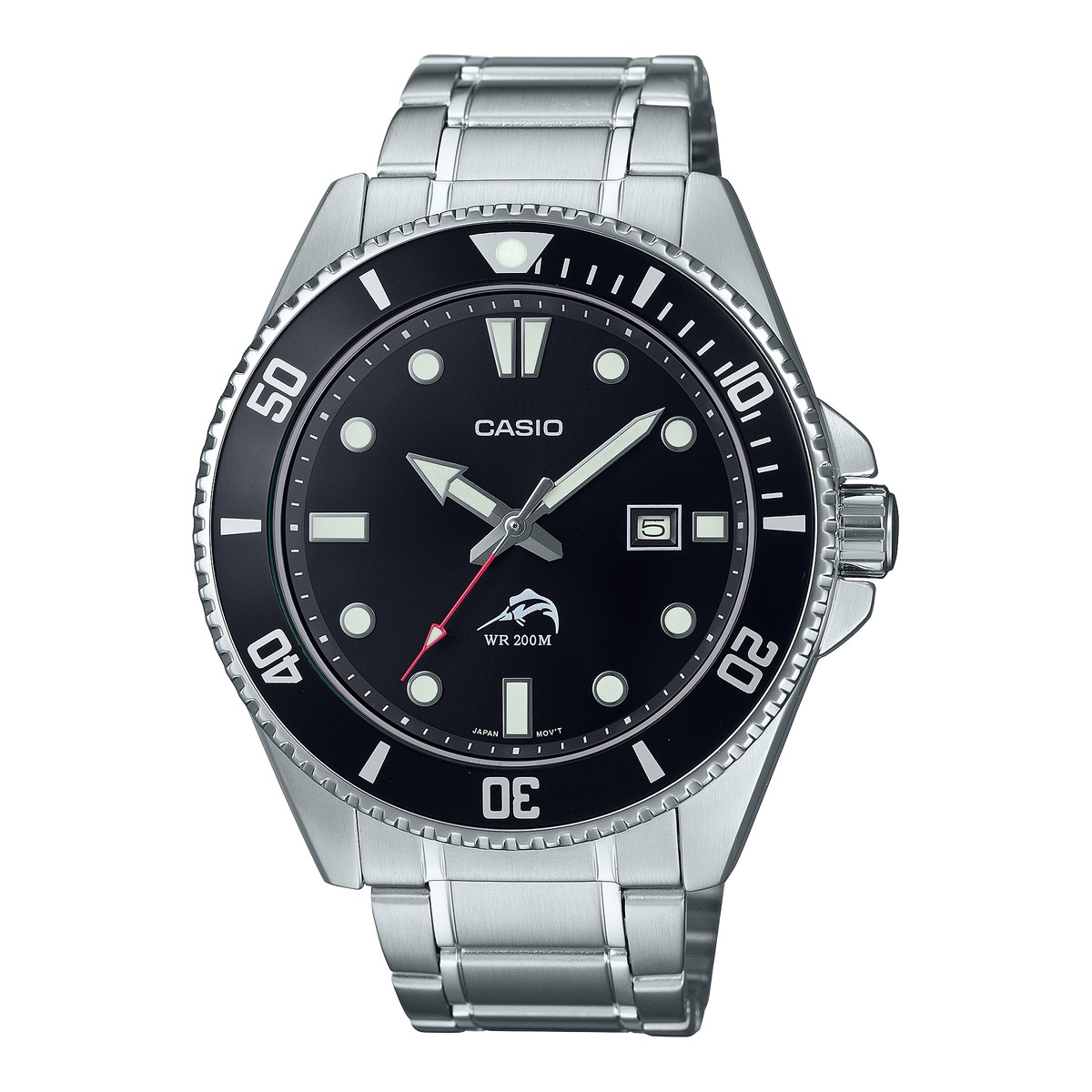
The legendary budget diver: 200m water resistance, a screw-down crown and classic Sub-style looks for the price of a canal-street fake. More honest watch per dollar than anything else on the market.
Invicta Pro Diver 8926OB (~$60–$90)
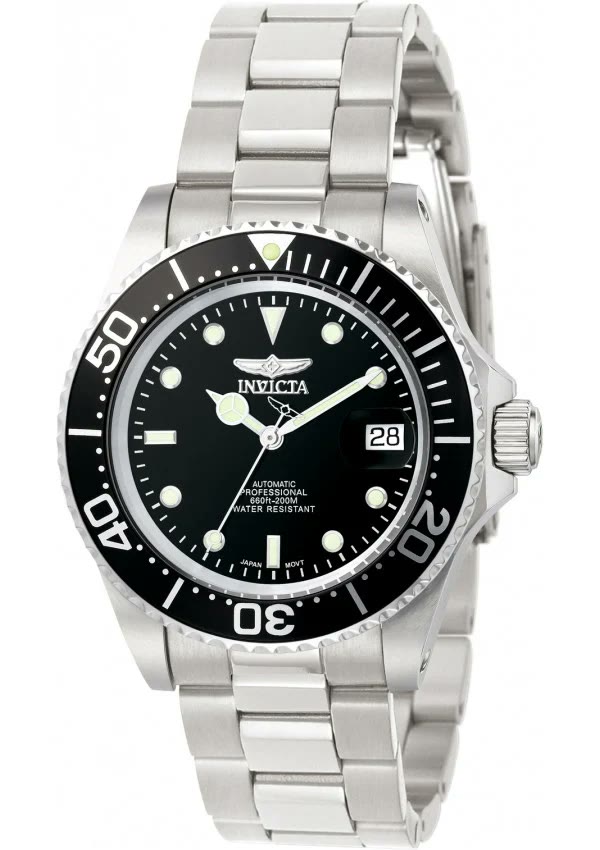
A real automatic movement (Seiko's NH35), 200m rating and the full Submariner silhouette — the gateway mechanical watch for buyers who want the look with a legitimate brand behind it.
Seiko 5 Sports SRPD (~$220–$280)
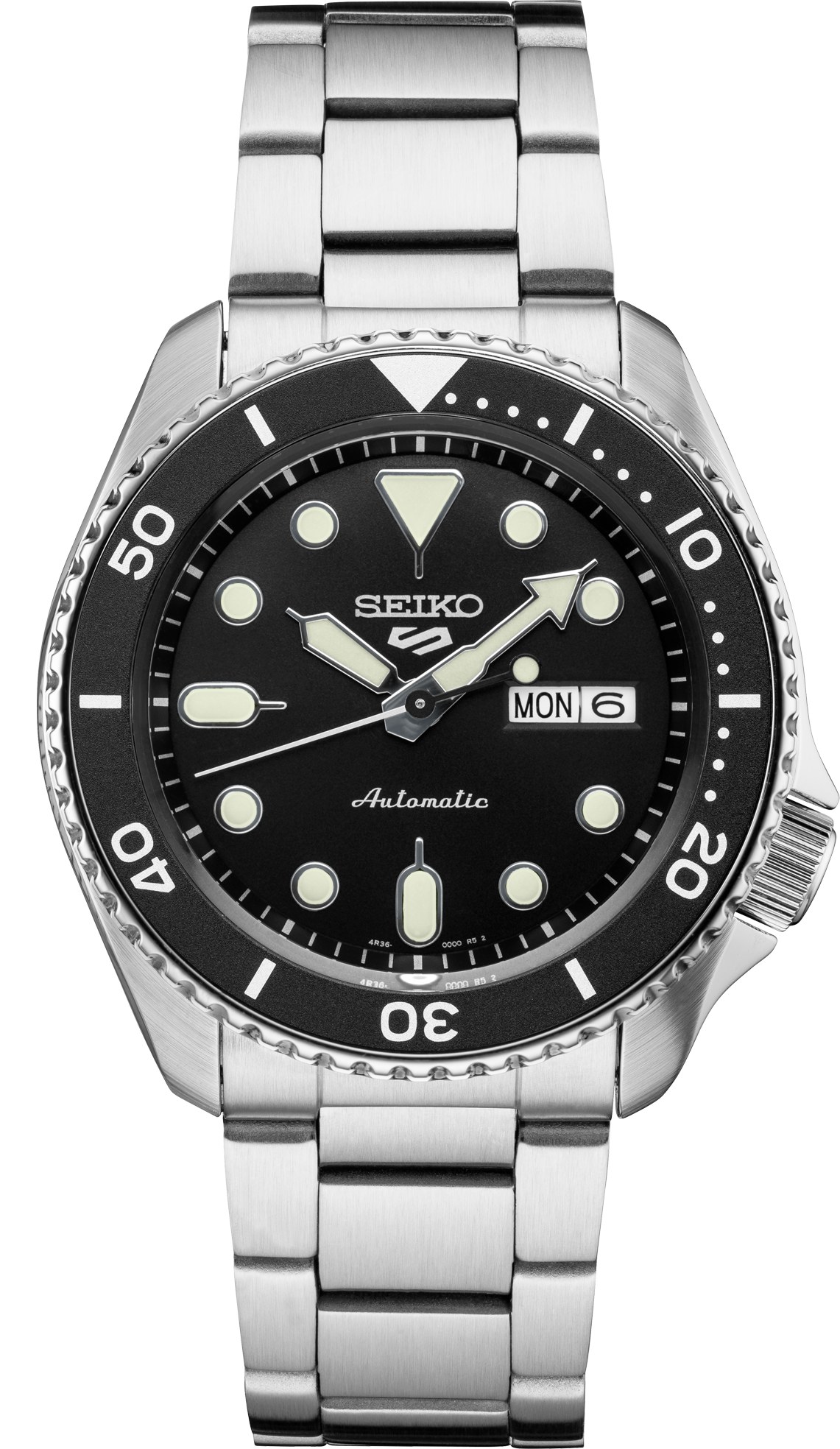
In-house 4R36 automatic with hacking and hand-winding, 100m, day-date, and a century of Seiko credibility. For the cost of a mid-grade replica, a watch you'll service and wear for twenty years.
Frequently Asked Questions
Is a fake Rolex worth anything as scrap metal?
Effectively no. Fakes use base stainless steel, plated brass and pot metal — no precious-metal content worth recovering. Even the 'gold' ones are plated to a thickness measured in microns. Scrap value rounds to zero.
Can I sell a fake Rolex if I openly say it's fake?
No — not on any legitimate platform. Marketplaces ban replica listings regardless of disclosure, and in many jurisdictions selling counterfeit goods is illegal even when described honestly. Disclosure protects buyers; it doesn't legalize the product.
Will a jeweler tell me if my Rolex is fake?
Yes — most watchmakers and jewelers will authenticate a watch for a small fee, and can confirm in minutes what forum threads never will. Note that many will decline to work on a confirmed fake, and Rolex service centers will confiscate counterfeits sent in for service.
What is the cheapest real Rolex?
Pre-owned Oyster Perpetual and Air-King references from the 1990s–2000s are the entry point, typically $4,000–$5,500 through reputable dealers with authentication. Our cheapest genuine Rolex guide breaks down real entry prices and the models to target.
The Verdict
So, how much is a fake Rolex worth? As an object: $20 to maybe $400 depending on build. As a watch with a future: nothing. A fake can't be serviced, can't be sold legally, can't be insured, and quietly marks its owner as someone who either got fooled or hoped to fool. The genuinely smart money — even very small money — goes into honest watches: a $60 Casio Duro will outlive every replica ever made, and a pre-owned genuine Rolex is an asset you can sell tomorrow. Buy the real thing at your budget, whatever that budget is.