Disclosure: The Watch Goat is reader-supported. When you buy through links on this page, we may earn an affiliate commission from Amazon at no extra cost to you. Prices and availability change — check the listing for the current price.
Ask five people what a Rolex is worth and you'll get five different answers — because 'worth' depends on which Rolex, in which condition, sold through which channel. A steel Oyster Perpetual and a platinum Day-Date are both 'a Rolex,' and one is worth twenty times the other. This guide breaks down what Rolex watches are actually worth in 2026: retail prices, what the secondary market really pays, the six factors that move value up or down, and how to find out what your specific watch would sell for today.
The Short Answer: Rolex Value Ranges in 2026
Rolex builds roughly a million watches a year across dozens of references, but values cluster into recognizable bands:
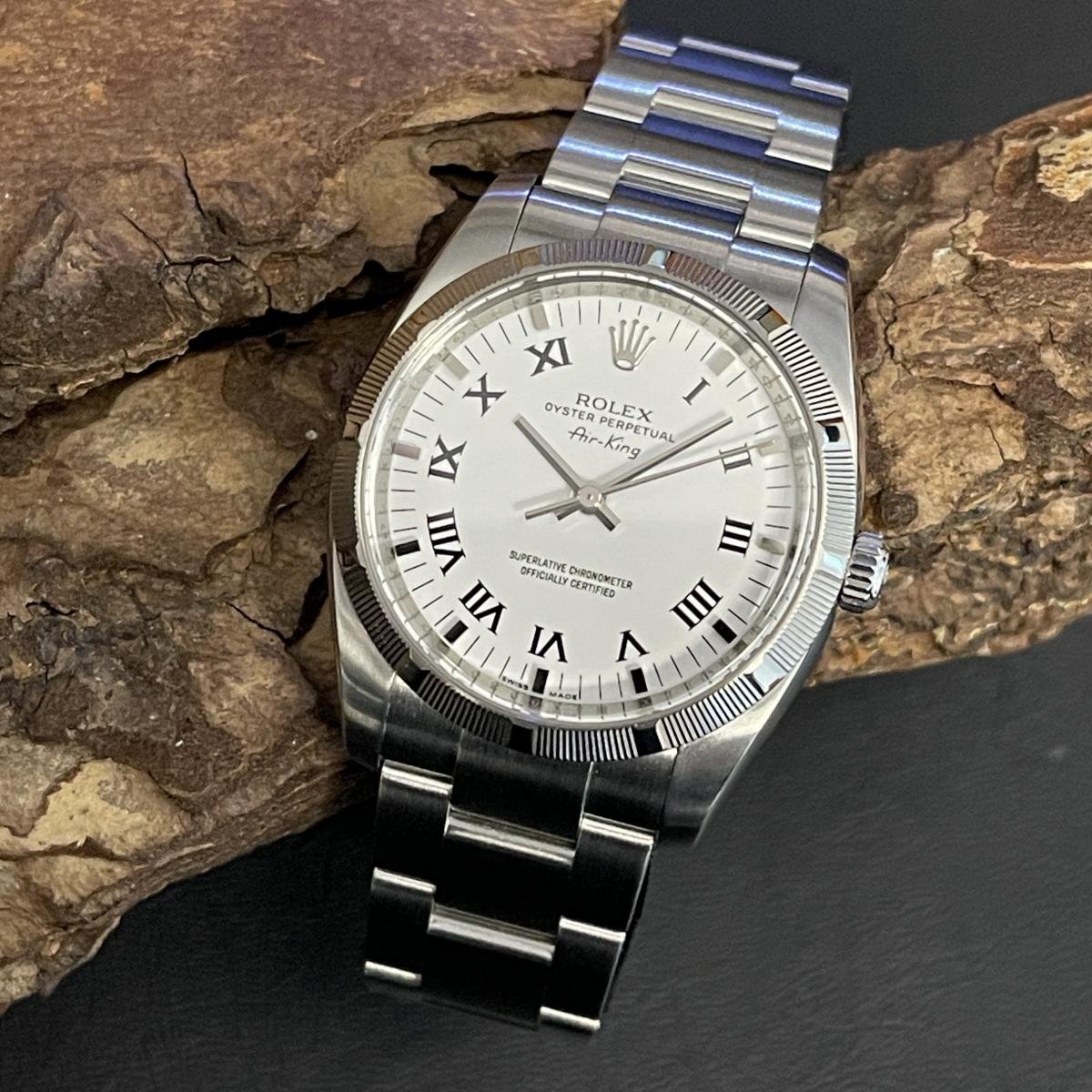
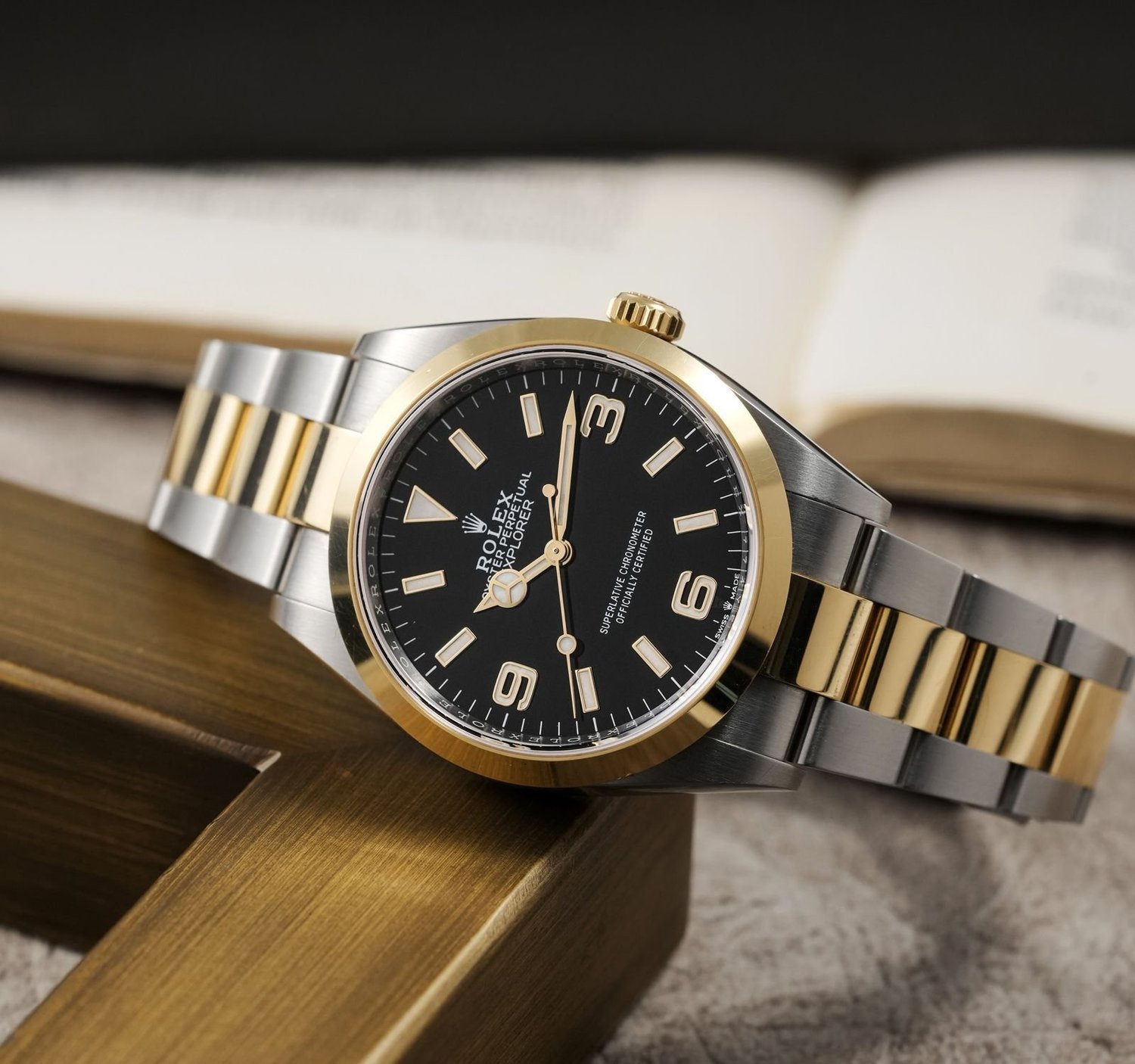
- Entry level (Oyster Perpetual, Air-King, Explorer): about $5,300–$7,800 new; popular sizes and dial colors trade above retail on the secondary market.
- Professional steel (Submariner, GMT-Master II, Daytona): $9,000–$16,000 at retail, but real street prices run higher — a steel Daytona still changes hands well above its sticker.
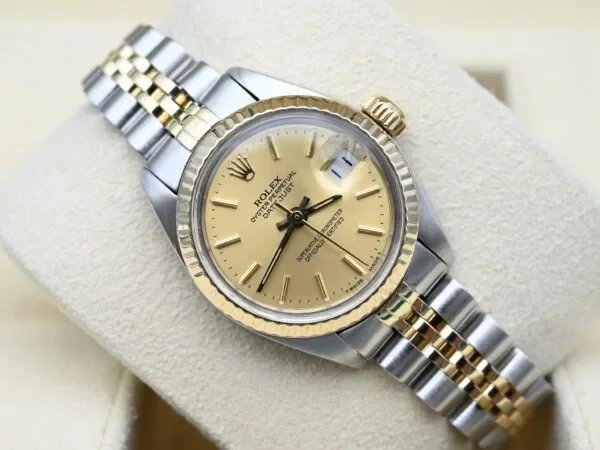
- Two-tone Rolesor (Datejust, Submariner, GMT): roughly $12,000–$18,000 depending on reference.
- Full precious metal (Day-Date, Sky-Dweller, Yacht-Master): $35,000–$50,000+ new.
- Vintage and discontinued references: anywhere from $4,000 for a common vintage Datejust to six and seven figures for grail pieces like early Daytonas or gilt-dial Submariners.
Retail Price vs. Market Price: The Two Numbers That Matter
Every Rolex has two prices. The retail price is what an authorized dealer charges — if you can get the watch at all. The market price is what the watch actually trades for on the secondary market, and for hot steel models the two numbers diverged years ago. Waitlists at dealers pushed buyers to the grey market, where a Submariner Date that retails around $10,000 has traded for $13,000–$15,000 in recent years. Market prices cooled from the 2021–2022 peak, but in-demand steel references still command premiums. Less-hyped models — many two-tone and dress references — trade at or below retail, which makes them the value play for actual wearers.
The Six Factors That Determine What a Rolex Is Worth
1. Model and Reference
Nothing moves value like the reference number. A Submariner 116610LN and a Cellini are both 'Rolex watches,' but one is a liquid asset and the other trades at a fraction of retail. Steel professional models with waiting lists lead; niche dress models lag. Within the same model line, small differences — dial color, bezel material, bracelet type — swing prices by thousands.
2. Condition
Collectors pay for originality. An unpolished case with sharp lugs and original factory brushing is worth a premium; a heavily polished case with softened edges loses value even if it looks shiny and clean. Stretch in a vintage bracelet, a relumed dial, or replacement hands all push value down — sometimes 20–30%.
3. Box and Papers
A 'full set' — original box, warranty card or papers, hang tags, booklets — typically adds 10–20% over a watch-only example. For modern references bought as investments, missing papers are a real discount; for a 1970s vintage piece, buyers are more forgiving.
4. Age and Era
Newer isn't always cheaper or pricier — each era has its own market. Five-digit references from the 1980s–90s (aluminum bezels, drilled lugs) have become collectible in their own right, while six-digit ceramic models dominate the modern buyer's attention. Neo-vintage pieces sit in a sweet spot: old enough to be interesting, young enough to wear daily.
5. Materials
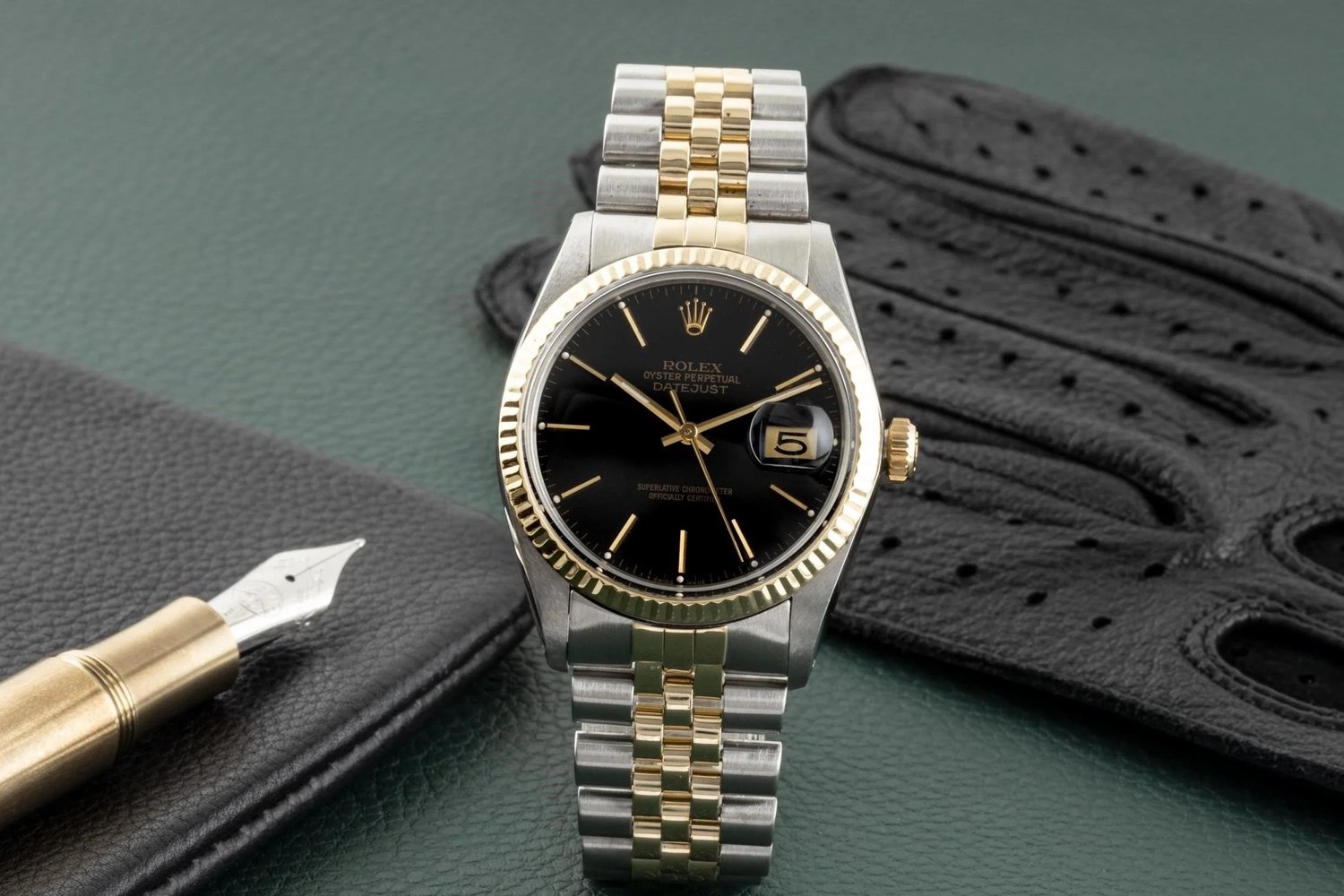
Stainless steel professional models carry the biggest premiums over retail because demand outstrips supply. Solid gold and platinum models cost more new but often depreciate more steeply on the secondary market — a painful truth for sellers, and a genuine opportunity for buyers. Two-tone sits in the middle and has strengthened considerably in recent years.
6. Provenance and Service History
Documented service by Rolex or a respected watchmaker reassures buyers; a watch with no service history and dried-out gaskets is a liability the buyer will price in. At the extreme end, celebrity or historical provenance can multiply value many times over — but that's auction territory, not everyday selling.
Do Rolex Watches Hold Their Value?
Better than almost any consumer good, yes — but the 'Rolex always appreciates' myth needs honest framing. Buy a hot steel reference at retail and you've likely gained equity the moment you leave the store. Buy a full-gold dress model at retail and you may be underwater for years. Buy any Rolex at inflated secondary prices at a market peak, and you can lose money — plenty of 2022 buyers did. The reliable truth: Rolex depreciates less than nearly any competitor, and core references have trended upward across decades. Treat appreciation as a bonus, not a plan.
How to Find Out What YOUR Rolex Is Worth
If you own a Rolex and want a real number, work through these steps in order:
- Identify the exact reference number — it's engraved between the lugs at 12 o'clock (pre-2005) or on the rehaut and paperwork for newer models.
- Note the serial number era, which dates the watch, and gather the box, papers and service records.
- Check actual sold listings for your reference on major marketplaces and auction archives — sold prices, not asking prices. Asking prices are wishes; sold prices are data.
- Adjust for condition honestly: bracelet stretch, polishing, replaced parts and missing papers all move the number.
- Get two or three quotes — from an authorized dealer trade-in desk, a specialist pre-owned dealer, and an online platform — before selling anything.
Before You Spend Rolex Money: Three Watches Worth Considering
Honest truth: not everyone asking what a Rolex is worth is ready to spend five figures — and the watch world offers genuinely excellent alternatives while you save. These three deliver real quality and even a touch of the Rolex look at 1–2% of the price.
The Casio Duro (MDV106) is the $50–70 dive watch with a genuine 200m rating and a silhouette that reads 'Submariner' from across the room. It's the most-recommended budget watch in the hobby for a reason.
The Invicta Pro Diver 8926OB gives you an automatic mechanical movement and a classic dive-watch profile for around $60–90 — the cheapest honest way to find out whether mechanical watch ownership suits you.
The Seiko 5 Sports line delivers Japanese automatic movements, real heritage and decades of reliability from around $250–350 — the natural stepping stone before a true luxury purchase.
Frequently Asked Questions
What is the cheapest Rolex worth?
The least expensive new Rolex is the Oyster Perpetual, starting around $5,300 at retail. On the secondary market, vintage Datejust and Oyster Precision references from the 1960s–80s regularly sell in the $3,000–$5,000 range — the real entry point to Rolex ownership.
Is a Rolex a good investment?
A Rolex is a store of value more than an investment. Core steel models have historically held or grown their worth, but prices fall too — and unlike stocks, a watch costs money to service and insure. Buy it because you want to wear it; treat any value retention as a pleasant side effect.
Does a Rolex lose value after you buy it?
New pieces bought at retail typically don't — demand keeps modern references at or above sticker. Watches bought on the secondary market at premium prices can and do dip when the market cools, as it did from 2022 onward. Precious-metal dress models are the likeliest to trade below retail.
The Bottom Line
So how much is a Rolex worth? Anywhere from $3,000 for a humble vintage reference to well into six figures — and the honest answer for any specific watch comes from its reference number, condition, completeness and current sold-price data, not from a guess. Identify the reference, pull the comparables, and get multiple quotes. Whether you're buying, selling or just curious, that's how you turn 'a Rolex' into an actual number.