Disclosure: The Watch Goat is reader-supported. When you buy through links on our site, we may earn an affiliate commission at no extra cost to you.
Are Bulova Watches Good? An Honest 2026 Verdict on Quality & Value
Bulova occupies one of the strangest positions in watchmaking: a 150-year-old American brand with a genuine moon-landing pedigree, owned by a Japanese giant, selling Swiss-grade technology at mall-store prices. That mix confuses buyers, and the internet's answers swing between 'underrated gem' and 'fashion watch in disguise.' Both are wrong. Here is the honest accounting of what a Bulova actually is in 2026 — the engineering wins, the corners quietly cut, and the five models worth your money.
Are Bulova Watches Good? The Short Answer
Yes — with an asterisk. Bulova makes genuinely good watches for buyers who want maximum technology per dollar: the most accurate quartz movement ever mass-produced, a real space-program chronograph, and finishing that punches above its street price. The asterisk: Bulova's retail pricing is theater, many models still ship with mineral glass, and you should never pay MSRP. Buy the street price, which is typically 30–50% below list, and Bulova becomes one of the best value propositions in the entire industry.
✔ Precisionist quartz: ±10 seconds per year — accuracy no $10,000 Swiss automatic can touch.
✔ Real heritage: the only non-Omega watch ever worn on the Moon.
✔ Street prices from $150–$800 for spec sheets that embarrass rivals at twice the money.
📌 Key Takeaway: At street price, Bulova is an easy yes. At MSRP, you're subsidizing the discount rack.
150 Years of American Watchmaking (and Why It Matters)
Joseph Bulova founded the company in New York in 1875, and for a century it was arguably America's most important watchmaker — the first brand to run a radio commercial (1926), the maker of the watches that timed Charles Lindbergh's celebratory tour, and a supplier of military timepieces through two world wars. This is not a fashion label that bought a heritage story; the heritage is load-bearing.
In 1960 Bulova shipped the Accutron — the first fully electronic watch, regulated by a 360 Hz tuning fork instead of a balance wheel — technology so precise that NASA flew Accutron timing mechanisms on Apollo missions. Eleven years later, astronaut Dave Scott wore his personal Bulova chronograph on the lunar surface during Apollo 15 after his issued Speedmaster's crystal failed. Citizen acquired the brand in 2008, and the engineering partnership since — high-frequency quartz, curved movements, Miyota-based automatics — has been quietly excellent.
What Bulova Genuinely Does Well
1. Precisionist: The Accuracy Benchmark
The Precisionist line runs a quartz oscillator at 262,144 Hz — eight times the frequency of a standard quartz movement — delivering accuracy to about ±10 seconds per year and a seconds hand that sweeps as smoothly as a Spring Drive. Nothing else at the price comes close, and very few watches at ten times the price keep better time. If your priority is a watch that is simply, relentlessly right, this is the benchmark under $1,000.
2. Real Space Credentials: The Lunar Pilot
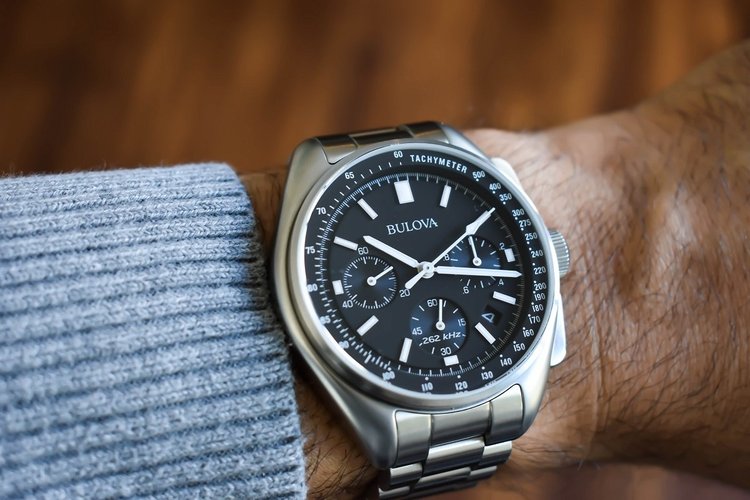
The Lunar Pilot reissues Dave Scott's Apollo 15 chronograph with a modern high-frequency quartz movement, sapphire crystal, and a 43.5mm case that wears smaller than the numbers suggest. It routinely sells for $400–$600 against the $5,000+ Omega Speedmaster it historically shared a wrist with. For collectors who want genuine moon-landing provenance without the luxury markup, it is close to a cheat code.
3. Design Range Nobody Else Matches at the Price
Bulova's catalog spans the Curv — the world's first curved chronograph movement, engineered to hug the wrist — through the diamond-dial Sutton and Rubaiyat dress pieces, to solid Marine Star divers with 100–200m ratings. The range is uneven, but the hits are distinctive designs with real engineering behind them, not generic catalog filler.
Where Bulova Falls Short
Honesty requires the other ledger. Too many Bulova models — including some at $400+ list — still use mineral crystal instead of sapphire, which scratches in daily wear and undercuts the 'affordable luxury' pitch. The automatic models run Miyota 8-series movements: reliable and easily serviced, but a step below the finishing and power reserve of Seiko's 6R or the Swiss calibers at this price. And Bulova's high-volume, department-store distribution means resale values are weak — a Bulova is a watch you buy to wear, not to sell.
The pricing structure deserves special mention. Bulova's MSRPs are routinely 40–60% above the real transaction price on Amazon, Macy's, or gray-market dealers. A '$750' Marine Star that perpetually sells for $375 is not a discount — it's anchor pricing designed to make the discount feel dramatic. Judge every Bulova by its street price, and the value math usually flips from mediocre to excellent.
🚫 Mineral glass on many mid-tier models — verify sapphire before you buy.
🚫 Never pay MSRP; the 'sale price' is the real price.
💎 Comparing affordable luxury brands honestly? Start with our brand and value guides at
The 5 Bulova Models Worth Buying
1. Bulova Precisionist (Best for Accuracy)
• 262 kHz high-frequency quartz, ±10 sec/year, smooth-sweep seconds
✔ Best For: Buyers who want set-and-forget precision and never want to regulate or service a movement.
2. Bulova Lunar Pilot (Best Overall)
• Apollo 15 heritage, high-frequency quartz chronograph, sapphire, 50m
✔ Best For: Collectors who want real space history for under $600 — the strongest single argument in the whole catalog.
3. Bulova Marine Star (Best Sports Watch)
• 100–200m water resistance, rotating bezel, steel bracelet, quartz or automatic
✔ Best For: A first serious sports watch at $300–$450 street — just confirm the specific reference's crystal and rating.
4. Bulova Classic Automatic (Best Under $250)
• Miyota-based automatic, exhibition caseback, leather strap, 40mm
✔ Best For: Newcomers who want a real self-winding movement and open-worked dials without Seiko 5 money.
5. Bulova Curv (Best Design Statement)
• World's first curved chronograph movement, ergonomic case, 30m
✔ Best For: Design-led buyers who want something no other brand offers at any price — it genuinely curves around the wrist.
Bulova vs the Competition
• vs Seiko: Seiko wins on mechanical credibility and resale; Bulova wins on quartz technology and design daring. Over $400, Seiko's automatics are the safer buy.
• vs Citizen: Same parent company, different briefs — Citizen owns solar Eco-Drive and Super Titanium; Bulova owns high-frequency quartz and American styling. Precisionist vs Eco-Drive is preference, not hierarchy.
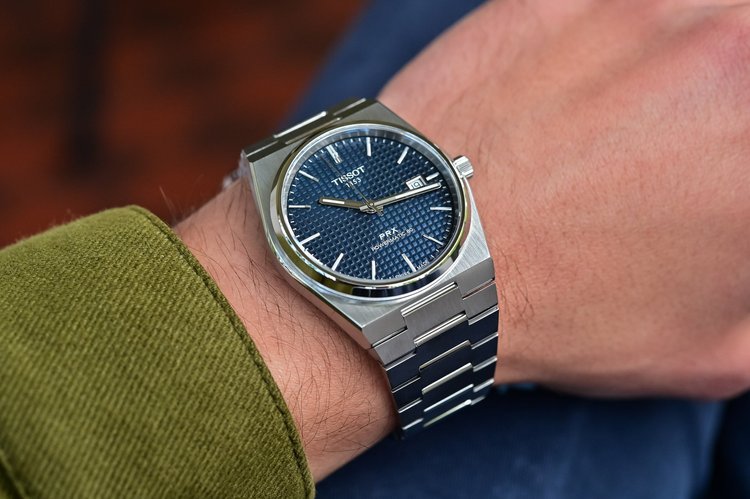
• vs Tissot: Tissot brings the 'Swiss Made' label, sapphire everywhere, and Powermatic 80 automatics at similar street prices. If the Swiss label matters to you, Tissot; if accuracy and value matter, Bulova.
📌 Key Takeaway: Bulova's lane is quartz excellence and distinctive design at street prices under $600. It stops being the smart pick right where Swiss automatics start.
Do Bulova Watches Hold Their Value?
No — and it's the brand's one structural weakness. High production volumes, perpetual discounting, and department-store distribution mean most Bulovas lose 50–65% of street price the moment you buy. The Lunar Pilot holds up best thanks to collector demand, and vintage Accutrons have a genuine following, but nobody should buy a modern Bulova as an investment. Buy it because you want to wear it for a decade — at that math, a $400 watch worn daily for ten years costs you eleven cents a day.
Final Verdict: Are Bulova Watches Good?
Yes. Bulova is good — specifically good at the things most buyers actually use: accuracy, legibility, durability, and design variety, at prices that don't require a justification speech. It is not a luxury brand, not an investment, and not the right choice if you dream in mechanical movements. But as a daily-wear watch bought at street price, it embarrasses most of what shares its shelf.
✔ Buy a Bulova if you want Precisionist accuracy, moon-watch history, or a diamond-dial dress piece for under $800.
✔ Always buy at street price, and verify sapphire crystal on the specific reference.
🚫 Skip it if resale value, mechanical movements, or the Swiss Made label are your priorities — Seiko, Tissot and Hamilton own those lanes.
The watch industry needs brands that democratize good engineering rather than gatekeeping it. Bulova has been doing exactly that since 1875 — through quartz crises, moon landings, and corporate sales — and the 2026 catalog keeps the streak alive.
💎 For more expert watch insights, visit
Our Favorite Bulova Watches You Can Buy Today
Bulova Lunar Pilot
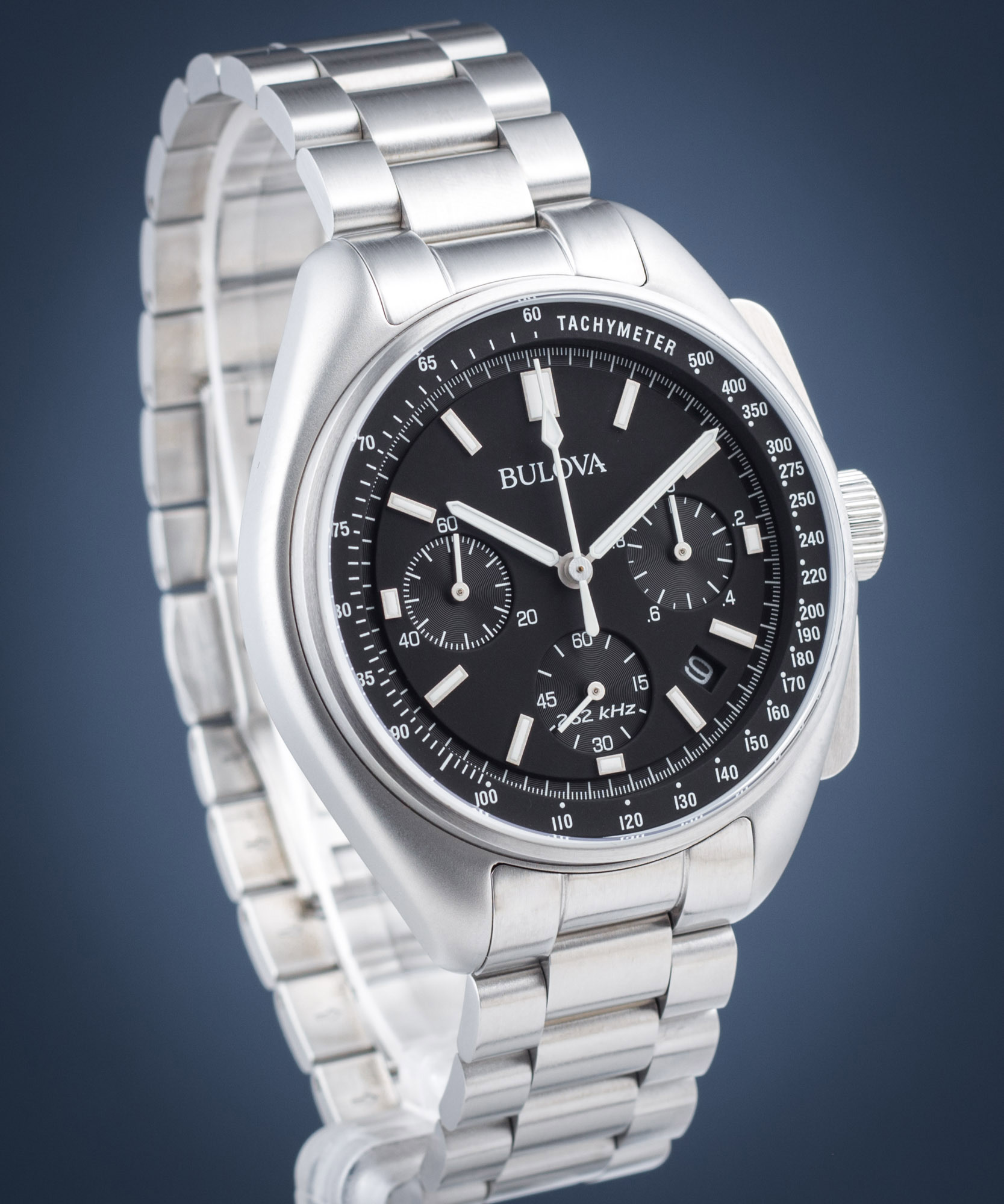
The strongest argument for the brand. A faithful recreation of the chronograph worn on the Apollo 15 mission, with a high-precision quartz movement and real NASA heritage for a fraction of luxury moonwatch money.
Bulova Marine Star
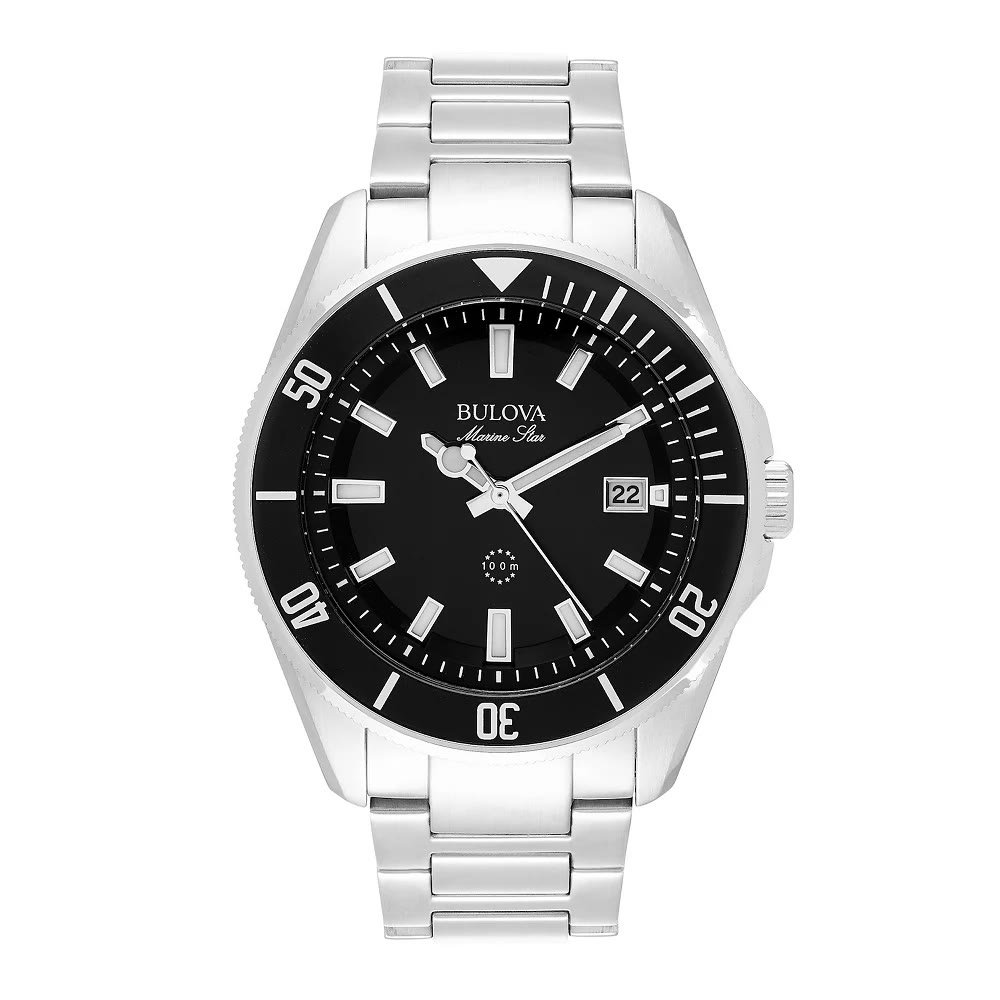
Bulova's long-running sport line. Bold dive-style cases, 100m+ water resistance, and frequent discounts that put well-built pieces under $300.
Bulova Classic Sutton
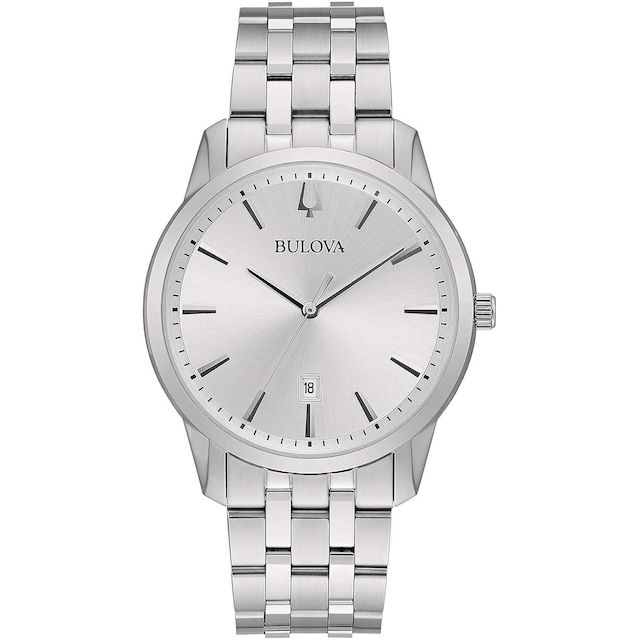
A clean, thin dress watch that shows Bulova's quiet side — simple dial, reliable Japanese quartz, and an easy everyday or office wear.